The heart of change: why connection is everything
A reflection on leadership, growth, and the people who make change possible
Leadership · 12 November 2025 · 6 min read
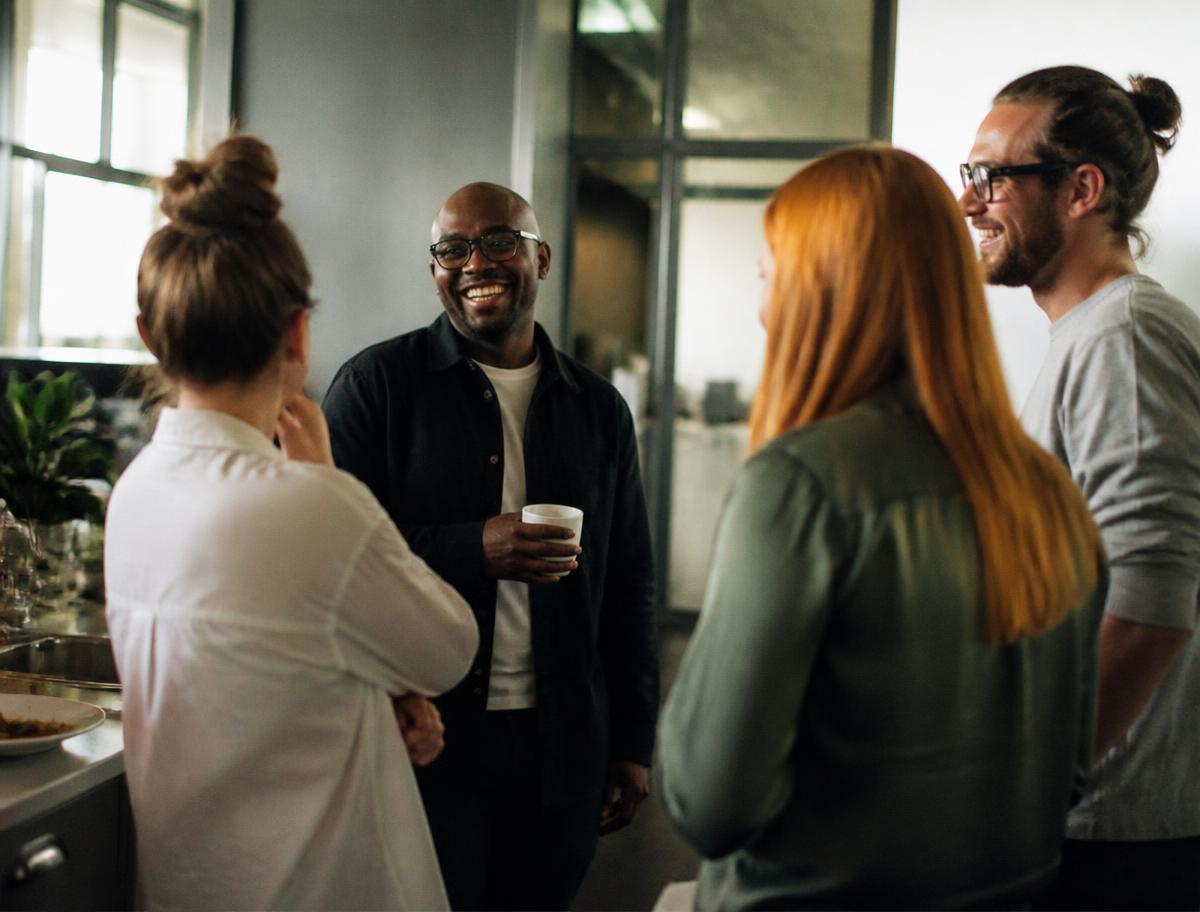
Let’s be honest. When most people hear the words “change management,” their eyes glaze over. It sounds clinical. Corporate. Like a slide deck nobody asked for and a process nobody fully believes in. But here’s what I’ve come to understand - real change, the kind that actually sticks, has almost nothing to do with frameworks and flowcharts. It has everything to do with people. And more specifically, it has everything to do with connection.
Leadership & Change
What does leadership through change actually mean?
We throw this phrase around so casually that it’s lost most of its meaning. So, let’s strip it back to the bones.
Leadership, at its core, is influence. It’s the ability to move people - not by force, not by authority, but by inspiration. And change? Change is simply the inevitable result of growth. You cannot grow and stay the same. Those two things are mutually exclusive.
So, when we talk about leadership and change together, what we’re really talking about is the courage to guide people through discomfort toward something better.
Why change is not the enemy
Here’s the thing about change that we forget far too often: it’s always happening, whether we choose it or not. The market shifts. Technology evolves. People grow. Teams develop. The world keeps moving. The question was never really “should we change?” It was always “are we going to lead this change, or be dragged along by it?”
Change is essential for growth because stagnation is a slow kind of decline. When we stay still, the world moves past us.
When organisations resist change, they don’t stay comfortable - they fall behind. When people avoid personal growth, they don’t stay happy - they feel stuck. The discomfort we feel around change isn’t a warning sign. It’s proof that something meaningful is happening. Growth lives just on the other side of discomfort, every single time.
What’s your role as a leader?
This is the question I love most, because the answer always surprises people. Your role as a leader in change is not to have all the answers. It’s not to pretend the change is easy or that everything is fine. Your role is to be present. To be honest. And to be human.
People don’t follow certainty - they follow trust. Trust is built when a leader walks alongside their team in the uncertainty, rather than pretending they’re above it. When you say “I don’t have all the answers, but I’m committed to figuring this out with you” - that’s not weakness.
That is one of the most powerful things a leader can say.
The truth about trust
Your role is to hold the vision when others can’t see it yet, and to hold people while they find their footing. Both matter. Neither is optional.
Leading Change
The part nobody talks about enough
Most change management training will teach you about communication plans, stakeholder mapping, resistance management, and adoption curves. All of that has its place. But there’s a step that comes before all of it - one that gets skipped far too often.
You have to actually care about the people you’re leading.
Not their output. Not their performance metrics. Not their ability to “get on board.” The people. The full, complex, sometimes messy human beings who show up every day and do the work. Connection isn’t a soft skill - it’s the skill When people feel seen, they show up differently. When they feel valued, not just as a resource, but as a person - they bring more of themselves to the work. They take risks. They speak up. They help each other. They lean into change instead of digging their heels in.
Resistance to change almost always has a connection problem underneath it. People resist when they feel:
Unheard: like the decision was made without them, their perspective never considered.
Unseen: like no one considered what this change actually means for them personally.
Unsafe: like there’s no room to struggle or ask questions.
Unvalued: like they’re just a cog in someone else’s wheel - a means to an end.
When people trust their leader, they extend grace through the messy middle. When people feel genuinely valued, they bring energy to the process instead of fear.
What leading change really looks like in practice
It looks like checking in with someone - not about their task list, but about how they’re doing. It looks like acknowledging that a transition is hard, even if it’s also necessary. It looks like remembering that behind every job title is a person with a life, with worries, with a genuine need to feel like they matter.
Leading change well means consistently asking yourself:
What do my people need from me right now? Who might be struggling in silence? Am I creating a space where people feel safe enough to be honest? Do the people I lead truly know that I value them?
You cannot connect from a distance
One of the biggest mistakes leaders make during change is retreating into strategy mode - heads down, focused on the what and the how, while the who gets neglected. But here’s the paradox: the busier and more pressured the change, the more your people need you to be present. Not perfect. Not polished. Just there.
Show up. Ask questions. Listen - really listen, not just to respond. Let people know you see them. Celebrate the small wins. Acknowledge the hard days. Be the kind of leader people feel genuinely grateful to walk through change with.
Creating Change Agility
The movement, not the machine
We often treat ‘agility’ like a software update - something you install and then run. But true agility is a muscle. It’s not about how fast you can pivot; it’s about how much trust you have in the room when the pivot happens.
To become change-agile, we have to stop trying to control the future and start building our capacity to respond to it. When the business becomes agile, it doesn’t just perform better - it breathes better. Energy isn’t wasted on fear or resistance; it’s channelled into solving the next problem together.
Bringing The Heart Into Strategy
Strategy is a shared promise
Strategy isn’t a document gathering dust on a shelf. It’s a shared promise. Aligning with strategy means making sure every single person understands why their specific contribution matters to the whole. It’s about moving from ‘I have to do this’ to ‘We are building this.’
So, what do we stop doing? We stop the top-down directives that lack dialogue. We stop hiding the messiness.
And we start? We start with radical honesty. We start celebrating the learning that comes from a ‘fail.’ We start making one-on-one connection a priority rather than a luxury.
Common purpose is the glue. When we work together with heart, the complexity of change dissolves into the simplicity of shared effort.
A final thought
Change will always be part of the story. But the way we experience change? That’s shaped almost entirely by the quality of the connections we have while we’re going through it. So as a leader, before you open another spreadsheet or update another project plan - check in with your people. Not because it’s on a checklist. But because they matter.
Change isn’t something that happens to an organisation. It happens to people. And people deserve to be led with heart.
Written with the belief that the best leaders are, first and foremost, deeply human ones.